Kosher Education
Kosher Concepts
The word “kosher” means “fit for consumption according to Jewish law”.
What foods are Kosher?
Foods can be grouped into three major categories:
1. Naturally fit
Some products are always acceptable as kosher. These are unprocessed natural foods, without additives, flavorings or colorings, such as salt.
2. Never kosher
There are foods that are inherently non-kosher according to biblical law, such as pork, lobster, oysters or crab.
3. Kosher when certified
Other products can be kosher as long as both their ingredients and the manufacturing process comply with the standards of Jewish law, and are properly verified and supervised by a reliable kosher authority.
Kosher Food Categories
Kosher diet is divided into four main categories:
Meat Products
Only certain animal and bird species are considered kosher: cow, sheep, goat, chicken, duck, turkey, goose, and pigeon.
To be suitable, they must have been sacrificed by a qualified ritual slaughterer (shochet) according to Jewish law. Subsequently, the meat undergoes a process to completely eliminate the blood.
Products derived from non-kosher animals (such as lard or certain tallows) are not suitable.
Dairy Products
Milk and its derivatives (cheese, whey, lactose, etc.) are only kosher if they come from kosher animals.
Additionally, all dairy products must be made under specific kosher supervision to ensure the integrity of the ingredients.
Pareve Products
The term pareve designates “neutral” foods that contain no meat or milk derivatives. It includes fruits, vegetables, fish, and eggs.
Alcoholic Beverages
Most can be kosher, but wine and grape juice require special supervision from the start of production. All brandies and cognacs must be certified.
The Kosher Manufacturing Process
Machinery used for non-kosher products may not be initially suitable. However, in many cases, the equipment can be adapted through a cleaning and supervision process (kashering) controlled by a recognized authority.
We offer expert advice and accompaniment in all aspects related to kosher production and certification.
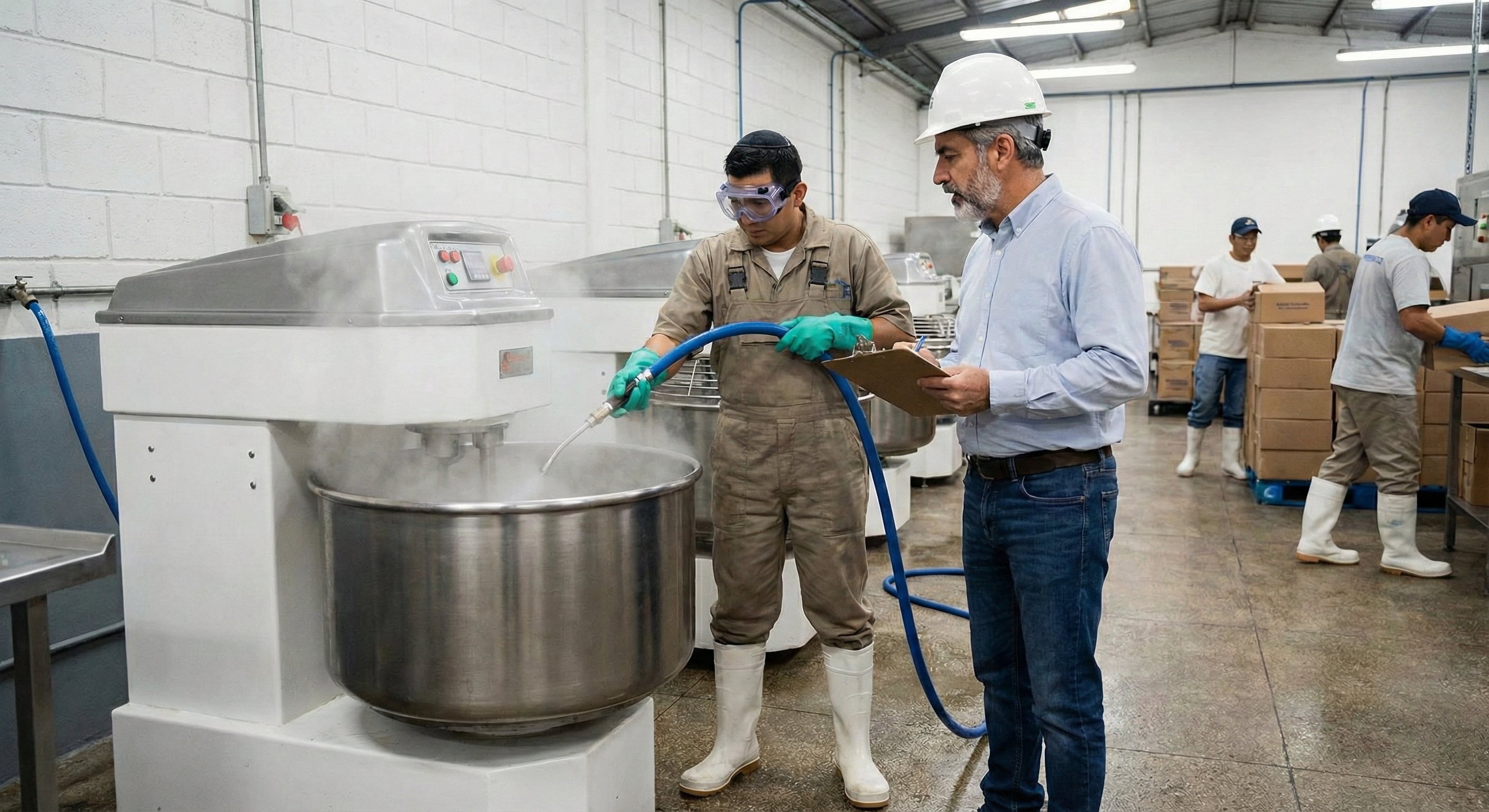
The Kosher Manufacturing Process
Passover and the Annual Cycle
Passover (Pesach) is an eight-day spring holiday. During this period, fermented or leavened products (Chametz) such as bread, pasta, beer, or whiskey, and wheat-derived ingredients, cannot be consumed.
Certain products such as soy, lecithin, or some legumes (Kitniyot) are also not consumed in certain communities during this holiday.
Even products that are kosher throughout the year require specific 'Kosher for Passover' certification for these dates. We provide specialized guidance for both annual and specific productions.
Rigor Levels: Glatt and L'Mehadrin
Kosher L'Mehadrin
Refers to excellence in supervision. For example, dairy products supervised from milking without interruption.
Glatt Kosher
Applied to meat, it indicates a superior level of inspection of the animal's lungs, ensuring the strictest standard of purity.